
• Skip to main content
  • Skip to primary sidebar

Death Matters

Planning Together for End of Life

  • Home
  • About
    • About Us
    • Media & Press
    • Testimonials
  • Programs / Events
    • Departure Directions
    • Exit Planning
      • Purchase Exit Planning Workbook
    • Death Cafe
    • Green Burial Cafe
    • TIBETAN BOOK of the DEAD ~ Annual reading
    • How Not to Die
    • Unfinished Business
  • Calendar
  • Services
    • Spiritual Care Planning
    • Circles of Care
    • Green Burial
      • How to Guide for Natural Cemetery in Nova Scotia
    • Advance Planning
    • Presentations and Conversations
    • Caring for the Body after Death
    • Funeral Guidance
    • Death Doulas
  • Resources
    • End of Life Services in Nova Scotia
    • Grief Support in Nova Scotia
    • Books
    • Websites
  • The “D” Word
  • Contact

DYING DAYS

February 12, 2026 By Dawn Carson

My Dying Days: What Are They… and What Do I Want Them to Look Like?
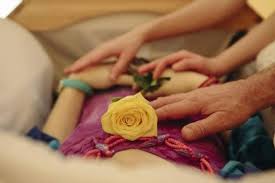
For most people, death doesn’t happen in a single dramatic moment. It unfolds over a series of dying days—usually the final days or weeks when the body is gently winding down. During this time, people often sleep more, eat and drink less, and gradually turn their attention inward. It’s rarely as dramatic as movies make it seem. More often, it’s a quiet fading rather than a grand finale.

When asked what they want for their dying days, most people give very simple answers: comfort, familiar faces, a peaceful space, and freedom from unnecessary medical fuss. Very few say they dream of bright hospital lights and complicated machines. People usually want to be somewhere that feels like home, with a few loved ones nearby, and permission to let go in their own time.

There’s a myth that death should be beautiful, poetic, or full of meaningful last words. Sometimes it is—but often it’s just ordinary. There may be more sleeping than speaking, more quiet than ceremony. A good death isn’t about candles or perfect moments; it’s about comfort, care, and respect.

It’s also worth remembering that some medical interventions don’t really stop the dying process—they just stretch it out. Choosing every possible treatment can sometimes mean choosing more dying days, not necessarily more living. For some people, that trade-off is worth it. For others, comfort and simplicity matter more.

In the end, the question is gentle and practical: what would make your dying days feel peaceful, familiar, and kind? Often the answer is very simple—love, presence, comfort, and perhaps a strong preference for the right cup of tea.

Filed Under: The "D" Word

“D” is for Detritus and Downsizing

September 15, 2025 By Dawn Carson

“D” is for Detritus and Downsizing

by Abby Hoffman

“D” is for Detritus and Downsizing

Did you ever stand in your home and wonder, “what is going to happen to all this stuff?” Are there people in our lives who will benefit from our getting ready for our nevermore needed things? How do we approach this activity of getting rid of extras, multiples, and perhaps make it possible for everyone to not be heaped with lots of cleaning and sorting chores at the time they are dealing with grief and loss? Might we do these activities before we can’t and, actually delight in the process?

There are ways we can get our home ready for both downsizing to a smaller place and for our death. The inevitable time when things we have will be up for grabs, taken to the local thrift shop and, put out in the rubbish doesn’t have to be anyone else’s problem, not if we look at what we have and can deal with it now.

If it has occurred to us that our things need homes or disposal after we are gone then slow, deliberate organization and downsizing is simpler while we the ability and time, as well as friends and family that might help us organize, distribute, and create space for some of our treasures.

The idea of distribution to family and friends while we are still living may not occur to us when we are still managing a large home but what about when we move to a smaller place? When our spouse dies, when mobility changes, do we have in mind how the things we love and items we just have will be sorted? Some things will go with us to our new smaller home, some will go to family, friends, estate sales or charity.

We all have moments in our lives when the things we are surrounded by have concluded their purpose or have become extras in our homes. The baby clothes and children’s toys, surf gear or training bikes no longer used, cookbooks stacked high on the shelves, tools and extra chair cushions, an extensive magazine collection, clothing that’s outlived its size or interest, extra China place settings and, grandma’s silver tea service. Perhaps we have oodles of extra art pieces we or others have created, sentimental letters and photographs that may or may not be up for public viewing, record collections, and teaspoons from all over the world.

The good news is that much of what we have can be repurposed too a new life. If people express interest in our things, it is an act of generosity to give a coveted quilt to a daughter or son, tools and cooking equipment to grandchildren who are starting out, a wheeling cart to the gardener who helps you take care of your tomatoes, zinnias and beans. We can enjoy seeing these things at family gatherings in new homes, be delighted by the new use and the love generated in objects that have been passed on.

A couple of years ago a friend began the distribution of family heirlooms to her nieces and nephews. They got to pick which things were of interest one at a time. Most items were earmarked for them to receive while she is still living and others will go to them after she’s passed. It has been a joy-filled activity and has led to stories, reminiscences about family long gone as well as conversations about how the gifts will then be passed on to their children.

A lasting point for reflection: A friend entered home hospice and her belongings, all sorted for posterity, were down to 20 cartons. She had done the work of distribution and recycling when she was able. Upon her passing her sons donated her car, assorted scarves and clothing to friends. They carried home photo albums and scrapbooks personalized for each of the grands, her estate materials and a few treasured notes.

If you want more information on this subject look for the book “The Gentle Art of Swedish Death Cleaning” by Margareta Magnusson

Filed Under: The "D" Word

Deathcaring

June 3, 2025 By Dawn Carson

Deathcaring: Reclaiming Death as Part of Life

by Dawn Carson

Deathcaring is a cultural movement rooted in the idea that death belongs in the heart of community life. Rather than leaving care for the dying and dead solely to professionals and institutions, it invites us to return to more personal, participatory ways of facing the end of life—together.

At its core, Deathcaring is about reclaiming death as a natural, meaningful, and even transformative part of living. It encourages open conversations, thoughtful planning, and community-based support for the dying, the dead, and the bereaved. This approach not only honours the person who is dying but also supports the wider circle of family, friends, and community.

It also emphasizes cultural and ecological renewal. By re-engaging with traditional and sustainable practices, Deathcaring fosters a relationship with death that is holistic and environmentally conscious. It recognizes that how we care for our dead reflects how we care for life.

Deathcaring encourages people to plan, too ask questions, and too understand their rights and options. It empowers individuals and families to take an active role in deathcare, whether that means sitting vigil, preparing the body, or creating rituals that reflect their values and beliefs.

Ultimately, Deathcaring envisions a culture where death is no longer feared or hidden but embraced as an honoured part of life. It’s about showing up—with compassion, courage, and care—at one of life’s most sacred thresholds. Death matters.

Filed Under: The "D" Word

Destination

May 31, 2025 By Dawn Carson

Destination

by Kelsey Ermers

“Where are you headed today?”
“Where do you see yourself in five years?”
“Where do you want to live?”
“What do you want to achieve?”

These everyday questions are all about destination. Life is full of them—some grand, others modest. We mark our calendars with them. We make plans. We prepare. Whether it’s getting to work on time, planning a big move, graduating, becoming a parent, or entering retirement, destinations are how we map meaning onto the unfolding of our lives.

But there’s one destination we all share—one we rarely talk about or prepare for: death.

We don’t know exactly when or how we’ll arrive at this destination, but we do know it’s coming. And that simple truth opens the door to a powerful question: What if we treated death as just another destination—one worthy of our curiosity, care, and attention?

At Death Matters, we believe that your last chapter deserves the same intention as all the others. Because when you reach that final threshold, you don’t just disappear—you become memory, story, legacy.

Our Exit Planning workshops are designed to help you explore this destination with courage and clarity. Over three thoughtful sessions, you’ll reflect on what a good death means to you, and begin shaping the documents and decisions that bring your vision into being.

You’ll ask:

  • What matters most at the end of life?
  • How do I want to be remembered?
  • What legacy am I leaving behind?

These aren’t grim questions. They’re grounding ones. Because when we think of death not as an erasure, but as a sacred homecoming, we begin to live with more depth, more love, more intention.

Imagine arriving at the end not with fear, but with readiness. Not with regret, but with peace.
What if your final destination could feel like coming home?

Filed Under: The "D" Word

Depth

May 31, 2025 By Dawn Carson

How Deep Should You Be Buried? (Not a Trick Question)

If you’ve ever asked yourself, “How deep should I be buried when I die?”—Congratulations, you’re officially fun at parties and thinking ahead.

The answer might surprise you: three to four feet. That’s it. Not six feet under. Not entombed in a concrete bunker like a vampire no one trusts. Just a cozy, breathable, dirt-rich three to four feet.

Why? Well, for most of human history, burial meant placing a shrouded, unembalmed body into a simple hole in the ground. No metal casket. No concrete vault. No makeup that makes you look like a wax figure at Madame Tussauds. Just you and the earth, reconnecting the old-fashioned way.

Then the 20th century came along and said, “Wait, what if we wrapped the dead in steel, pickled them in chemicals, and locked them in a concrete box?” (To which the planet responded: “Please don’t.”)

Each year in Canada, traditional burials consume approximately 4,500 litres of formaldehyde-based embalming fluid, 97 tonnes of steel, 2,000 tonnes of concrete, and 56,000 board feet of tropical hardwood per acre of cemetery space. These figures highlight the substantial environmental impact of conventional burial practices. That’s not a burial—it’s a construction project.

Green burial flips that script. And here’s where the magic of 3-4 feet comes in:

 It’s All About the Oxygen

  • At this shallower depth, you’re in the aerobic zone—where oxygen-loving microbes do their best work turning you into excellent compost. It’s decomposition with flair.

The Soil is Happier Here

  • This is where the richest, most biologically active soil lives. It’s like the VIP section for decomposition: warm, lively, and full of beneficial insects ready to help you transition back into the web of life.

 No Need to Worry About Wildlife

  • Three to four feet is also deep enough to deter most curious critters. No raccoons invited. Just nature’s clean-up crew—like carrion beetles—who’ve been doing this job way longer than any funeral director.

And It’s Existentially Grounding (Pun Intended)

  • There’s something humbling and even joyful about knowing you’ll one day feed a tree. Embracing decay can actually be an ecstatic reminder that you’re alive now. Breath in your lungs. Blood in your veins. Feet on the earth—until you’re in it.

So next time someone asks, “Six feet under, right?”, feel free to smile and say, “Actually, I’m going green. Just three to four feet will do.”

And then watch their face as they slowly realize you’re being totally, natural.

Filed Under: The "D" Word

  • Page 1
  • Page 2
  • Page 3
  • Go to Next Page »

Follow Us on Social Media

Follow us on Facebook and Twitter
 

Join Our Email List

Purchase Exit Planning Workbook

Been putting off your end-of-life paperwork?  Finding it difficult to know where to begin?  The EXIT PLANNING Workbook provides a path to completion.  Download it now.  And get on with your life!

PDF with fillable fields, 56 pages. $24.00.

Click here to purchase.

The “D” Word

DYING DAYS

My Dying Days: What Are They… and What Do I Want Them to Look Like? For most people, death doesn’t happen in a single dramatic moment. It unfolds over a series of dying days—usually the final days or weeks when the body is gently winding down. ...

Read More →

Upcoming Events

Quotations

Loading Quotes...
Contact Death Matters   •   Email: deathmattersns@gmail.com   •   Phone: 902.403.7590