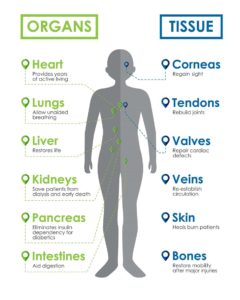
On January 18, 2021, Nova Scotia became the first jurisdiction in North America to adopt a “deemed consent” model for organ and tissue donation. Under the Nova Scotia Human Organ and Tissue Donation Act, all eligible residents are presumed to have consented to donation after death unless they opt out.
If you’re 19 or older, have lived in Nova Scotia for at least 12 months, and haven’t opted out, you are considered a potential donor. This change was made to help increase the number of lives saved through organ and tissue transplants.
You can opt out at any time by registering your decision online with your Nova Scotia Health Card. Youth aged 16 or older can also register a decision, though individuals under 18 or those lacking capacity will require consent from a substitute decision-maker.
Even with deemed consent in place, families will still be consulted at the time of death. Medical teams will seek to understand any known wishes of the deceased before proceeding with donation. In addition, all medically eligible individuals will be referred to the appropriate provincial donation programs to assess suitability.
What happens after death?
If death is expected, the body becomes part of the deceased’s estate, and the executor or family is responsible for final arrangements. If death is unexpected, the medical examiner has temporary jurisdiction over the body for investigation before releasing it to the family or executor.
For those who wish to provide home deathcare, participate in spiritual or cultural rituals, or arrange a green burial, there are important considerations:
-
Who will have authority over the body after donation procedures?
-
What condition will the body be in following organ or tissue recovery?
-
Will medical teams avoid toxic chemicals and ensure respectful suturing and preparation to allow for home vigil or green burial?
These are essential questions, especially for families wanting a more personal or environmentally conscious approach to deathcare. Open communication with medical staff is vital to ensure the body is handled in accordance with your values and wishes.
For more information or to register your donation decision, visit:
Nova Scotia Health: Organ and Tissue Donation